 Aliens among us
Aliens: supremely adaptable, successful and dangerous. A tagline for a sci-fi horror? No, it’s the reality around us. Invasive alien species – species that have come, or been brought, from one part of the world to another – can pose a huge threat to our health, finances and biodiversity. However, we can also learn a lot from them. How do we study them? What do we know about them? Can we stop the invasions? Come to the talk to find out!
Bio
Dr Joanna Bagniewska is a zoologist, specialising in behavioural ecology and marking undergraduate essays. In her spare time, she does science stand-up comedy, which really isn’t that different from her academic teaching at the University of Reading. She comes from Poland, is part of the Oxfordshire Mammal Group and has a soft spot for hedgehogs.
(Joanna has asked us if we would prefer something a bit more serious. We thinks this is fine!)
 Activism often conjures up quick transactional signing of petitions, clicktivism, loud and aggressive ways to demand justice. But if we want a world that is beautiful, kind and fair, shouldn’t our activism be beautiful, kind and fair? Award-winning campaigner and Founder of the global Craftivist Collective Sarah Corbett shows how to respond to injustice not with apathy or aggression, but with gentle, effective protest. Sarah Corbett set up the Craftivist Collective to facilitate and encourage this form of activism across the UK and around the world. She will be talking about her book ‘How To Be A Craftivist: the art of gentle protest’ a manifesto for a more respectful and contemplative activism; for conversation and collaboration where too often there is division and conflict; for using craft to engage, empower and encourage us all to be the change we wish to see in the world. She will explain her gentle protest principles with practical examples of her campaigns (including campaigns she’s won!) and stories as a burnout, introverted activist.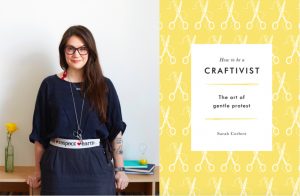




 Hardly a day goes by without the publication of a story in the press informing us that by 2030 over 30% of UK jobs could be replaced by robotic systems. Historically the introduction of technology has enhanced the experience of the workforce. The introduction of advanced robotics however is associated with the workforce polarization into either high-skilled, highly-paid or low-skilled, poorly-paid employment with the loss of mid-skilled jobs. The presentation will go behind the hype and look at the current state of robotic systems, and how its integration with artificial intelligence has led to this situation.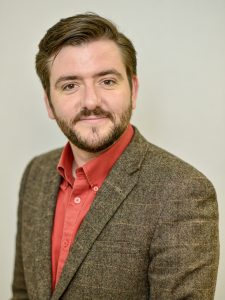

 This talk is a fine introduction into the age-old philosophical debate as to whether we have free will, or whether we live determined lives.