 One of the most challenging and frustrating questions for scientists is how to combat denialism: Holocaust denial, global warming denial, anti-vaxxers, 911 conspiracism, creationism and more. Debunking denialist claims is essential – yet also rarely effective.We are now living in a world where even the most apparently basic truths are routinely contested.
Mounting data support the increased risk of worsening disability with the development of new T2 and enhancing lesions on MRI while on treatment [ Prosperini et al. The performance estimates in Study B were numerically similar to those reported in Study A. Patients with a history of allergy, drug reactions or other hypersensitivity-like disorders may be at greater risk and should be closely observed during the procedure and for several hours after drug administration http://www.farmaciaonlinesinreceta.com/. Pulmonary hypertension A very serious condition called pulmonary hypertension (high blood pressure in your lungs) has occurred in some people taking Kyprolis.
In this talk, Keith Kahn-Harris, author of Denial: The Unspeakable Truth, argues that to really understand denialism, we have to face up to what he calls ‘the deniers alternative’. Denialism emerges when this alternative is so ‘unspeakable’ that denialism becomes a preferable option. In thinking about how to combat denialism, we also have to consider whether a world without it might not be a truth-filled utopia, but something even worse.
Bio
Dr Keith Kahn-Harris is a sociologist and writer. Denial: The Unspeakable Truth is his fifth book. His badly-designed website can be found at kahn-harris.org and he tweets irregularly as @KeithKahnHarris.
 Not content with mere visual manifestation, poltergeists are presences which interact with their environments. Making noises, hurling objects and causing levitation is sometimes just the start! This talk will go into the history of these manifestations to find a selection of clergymen, religious revolutionaries and malcontent teenagers.
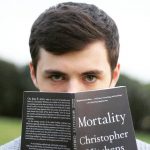 Alex J. O’Connor is a philosophical commentator and debater with over 230,000 subscribers to his videos on YouTube. A self-proclaimed atheist, Alex argues against theological apology, as well as discussing a range of philosophical topics such as the existence of free will, the nature of morality, and freedom of speech. Alex is currently reading philosophy and theology at Oxford University.
 Our obsession with being healthy and living forever has driven us to push our bodies to the absolute limits, but still every year we’re being told how unhealthy we are as a population. Despite a wealth of information at our fingertips, there are still so many things we get wrong about food and health.
 A Practical Guide to attacking castles
 For decades, science has been fascinated by the LGBTQ+ community. What makes gay people gay? How does sexuality affect one’s behaviour, appearance, or ability to raise children? These are the questions that science has asked and the answers have had an impact not only within the scientific world, but also on public policy and the rights of LGBTQ+ citizens. Given the highly politicised nature of the topic, it is perhaps not surprising to discover biases and prejudices hidden in the construction, conduction, and conclusions of these studies but are they still valuable contributions to science?

 In Hampshire 546,267 people voted to leave the EU in June 2016, some 54.0% of all those who voted in the county. Hampshire was never singled out as a hotbed of leave voters and yet the people of this county, along with just a few of the other English Home Counties, were crucial to securing the referendum result. So why was this not commented upon at the time, or later – and what might it mean for how little we understand ourselves?