 A Practical Guide to attacking castles
From the age of sieges and chivalry comes a show about medieval love, adrenaline junkies and an insane quest for glory. Join comedian and archaeologist Paul Duncan McGarrity as he explains how modern life could be so much better if we all take a moment and learn how to attack a castle.
Possible problems: The skin of certain sensitive individuals may become excessively red, swollen, blistered, or crusted. Calfactant, Beractant Calfactant and beractant are bovine pulmonary surfactants that may be of some benefit in the treatment of acute interstitial pneumonia. The pH of the solution is adjusted to 4 lovegra für frauen. The dosage is based on body weight.
From the host of the Ask an Archaeologist podcast and live show comes another hour of hysterical historical fun. ‘A more pleasant way to pass an hour could scarcely be found’
Paul D McGarrity
Paul Duncan McGarrity, the UK’s foremost Stand up comedian archaeologist, as seen on BBC4’s The Big Dig, is taking his critically acclaimed sell out Edinburgh Fringe show ‘Ask an Archaeologist’ on the road as ‘Paul Duncan McGarrity vs The Minor-tour’.
The ‘Ask an Archaeologist’ show does exactly what it says in the title. An Archaeologist (Paul) sits in a room with an audience and answers their questions. Most audiences tend to ask about life in the field, but other questions have been about Brexit, time travel and knitting patterns.
Woven around these queries Paul dishes the dirt on what it’s really like down in the trenches. Topics covered include the dating techniques of Vikings, the awkward truth behind the death of Richard III and Shakespeare’s laddish side.
To complement this unique approach to both history and comedy the ‘Minor-tour’ will be stopping off in on some rather unusual venues, although this won’t be too much of a departure for Paul as he has already performed shows in the grounds of a 14th century abbey and in an inflatable tent right next door to Hadrian’s wall.
http://paulduncanmcgarrity.co.uk/press
@PaulDuncanMcG
 For decades, science has been fascinated by the LGBTQ+ community. What makes gay people gay? How does sexuality affect one’s behaviour, appearance, or ability to raise children? These are the questions that science has asked and the answers have had an impact not only within the scientific world, but also on public policy and the rights of LGBTQ+ citizens. Given the highly politicised nature of the topic, it is perhaps not surprising to discover biases and prejudices hidden in the construction, conduction, and conclusions of these studies but are they still valuable contributions to science?

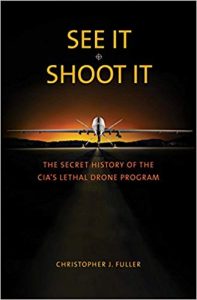
 In Hampshire 546,267 people voted to leave the EU in June 2016, some 54.0% of all those who voted in the county. Hampshire was never singled out as a hotbed of leave voters and yet the people of this county, along with just a few of the other English Home Counties, were crucial to securing the referendum result. So why was this not commented upon at the time, or later – and what might it mean for how little we understand ourselves?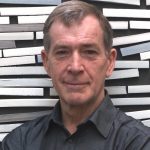
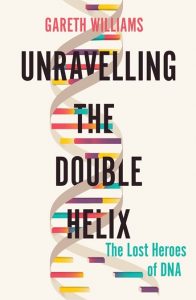

 You barely go a week without some puff piece article offering the ‘secret’ of happiness, or 5 easy steps to make yourself happy. They usually mention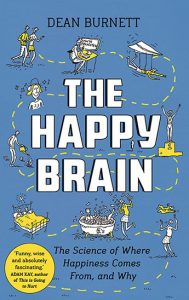
 Roll up! Roll up! Roll up! Gather ye round the travelling caravan, as Snake Oil Salesman Ash Pryce demonstrates the miraculous curative abilities of psychic surgery taught him by a wise man in the Philippines (or a magicians’ tool book, whichever sounds more wondrous).